Florida Storm Season 2026 — What Every Homeowner Needs to Know
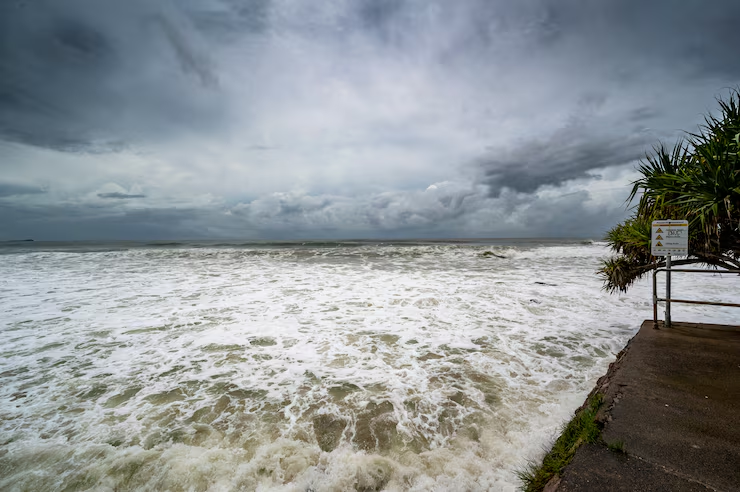
Florida hurricane season officially runs June 1 through November 30, with peak activity historically occurring between mid-August and mid-October. For Florida homeowners, storm season is not just a weather event, it is an insurance claim event. How prepared you are before a storm hits determines how effectively you can recover what your policy owes you after one.
Republic Loss Adjusters is a licensed Florida public adjusting firm. We pre-staff for every storm season and represent Florida policyholders on hurricane and tropical storm damage claims throughout the state.
Review Your Policy Before Storm Season Starts
Pull your homeowner’s or commercial property policy now, before storm season begins. Confirm your coverage limits reflect current replacement costs, not what you paid for the home years ago. Florida construction costs have increased significantly and many policies are underinsured relative to actual replacement value.
Check your hurricane deductible specifically. Most Florida policies carry a separate hurricane deductible expressed as a percentage of insured value, typically 2% to 5%. On a home insured for $400,000, a 2% hurricane deductible means you pay the first $8,000 out of pocket before insurance coverage begins. Knowing this before a storm hits prevents confusion during the claim process.
Document Your Property Before Any Storm
Walk through your home and photograph or video every room, all exterior surfaces, the roof if safely accessible, all major appliances and systems, and all significant personal property. Store these images in cloud backup so they are accessible from anywhere after a storm.
This pre-storm documentation is one of the most valuable assets in a hurricane insurance claim. It establishes the pre-loss condition of your property and contents, making it significantly harder for carriers to argue about pre-existing conditions or dispute the scope of storm-caused damage.
What Happens When a CAT Event Hits Florida
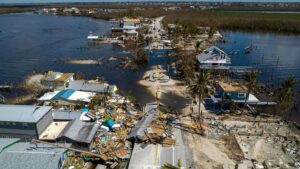
After a significant hurricane, insurance carriers receive claim volumes that stress their adjuster capacity. This creates delays, and delays create pressure on policyholders to accept early settlement offers before they fully understand the scope of their loss. Carrier adjusters dispatched during surge periods are sometimes handling far more claims than they can properly evaluate, which results in faster but less thorough assessments.
This is exactly when licensed public adjuster representation matters most. We work for you, not the carrier, and we are not under pressure to close claims quickly at reduced values.
Florida Carriers and Storm Season Response
Florida’s major carriers, Citizens Property Insurance, Heritage Insurance, Tower Hill, Universal Property, and others, each have distinct storm response processes. Some dispatch staff adjusters. Others contract independent adjusters during surge events. Understanding how your carrier handles CAT events affects how you prepare your claim documentation and engage with their process.
Republic Loss Adjusters has worked hurricane claims with every major Florida carrier. We know their processes, their adjuster teams, and what documentation each carrier requires to settle claims at full value.
Act Quickly But Carefully After Storm Damage
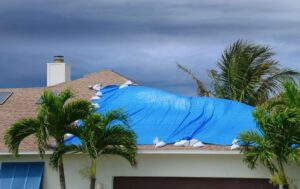
Prompt notice of loss to your carrier is required by most Florida policies. Make necessary temporary repairs to prevent further damage, tarping, boarding, pumping water, and document these emergency repairs with receipts and photographs. Emergency repair costs are generally covered and reimbursable.
Do not make permanent repairs before the carrier has had an opportunity to inspect. And before accepting any settlement offer, consult a licensed Florida public adjuster.
Republic Loss Adjusters is storm season ready. Licensed Florida public adjusters serving the entire state. Free property inspection. No recovery, no fee. Call (407) 490-2979.
For Florida hurricane preparedness resources, visit the Florida Department of Financial Services.