How to File a Hurricane Damage Insurance Claim in Florida
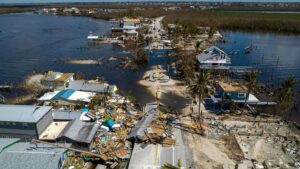
When a hurricane damages your Florida home or business, what you do in the first 48 to 72 hours significantly impacts what you ultimately recover. Filing a hurricane damage insurance claim in Florida correctly — with the right documentation, in the right sequence, avoiding common mistakes — is the difference between a fair settlement and a settlement that leaves you thousands of dollars short of your actual losses.
This guide walks you through the exact process. Republic Loss Adjusters is a licensed Florida public adjusting firm. We represent policyholders exclusively in hurricane damage claims throughout Florida.
Step 1 — Ensure Safety Before Anything Else
Before documenting or assessing damage, confirm the property is structurally safe to enter. Do not enter a property with visible structural compromise, active gas leaks, downed power lines, or standing water that may be electrified. Contact utility companies if you suspect gas or electrical hazards. Document any safety issues photographically from a safe position.
Step 2 — Document Everything Before Making Repairs
This is the most important step most Florida homeowners get wrong. Before touching anything, photograph and video every area of damage — roof, exterior, interior, contents, vehicles, outbuildings. Walk every room. Open every cabinet. Document damage you can see and damage you suspect but cannot immediately access. Time-stamped photos and video are the foundation of every successful hurricane claim.
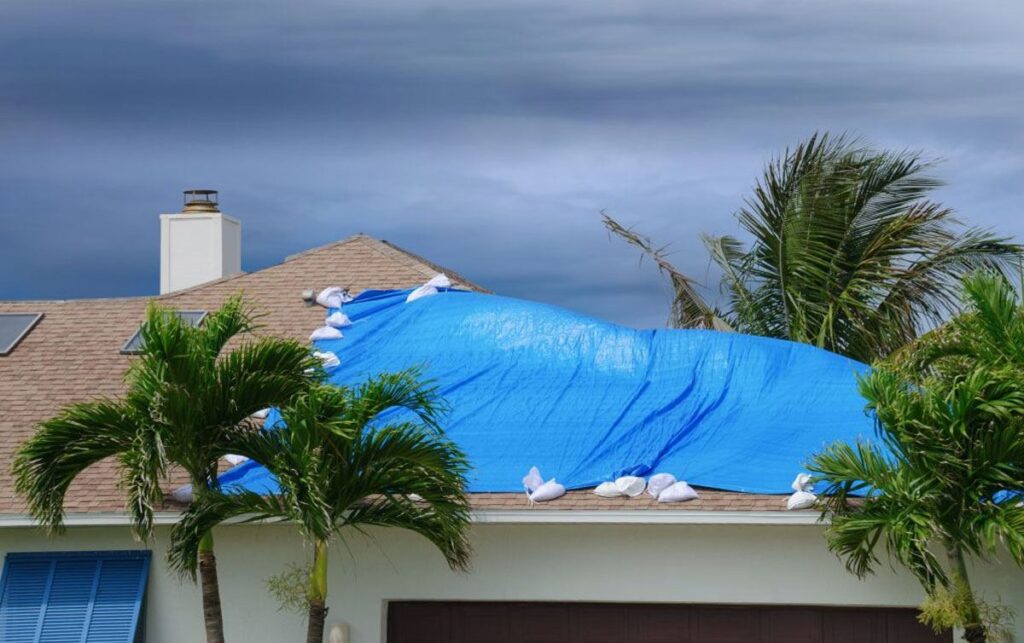
Do not make permanent repairs before documenting. Emergency temporary repairs — tarping the roof, boarding windows, pumping standing water — are necessary and covered. But permanent repairs made before the carrier inspects can be used to dispute the original scope of damage.
Step 3 — Review Your Insurance Policy
Pull your homeowner’s or commercial property policy and read the declarations page. Note your coverage limits, your deductible, and any hurricane-specific deductible that may apply. Florida policies frequently carry a separate hurricane deductible expressed as a percentage of the insured value rather than a flat dollar amount — often 2% to 5% of your home’s insured value.
Also review your additional living expenses coverage if your home is uninhabitable. ALE covers temporary housing, meals, and other displacement costs during the repair period and is frequently underclaimed.
Step 4 — Notify Your Insurance Carrier Promptly
Contact your insurance carrier to report the claim as soon as it is safe to do so. Most Florida policies require prompt notice of loss. Delayed reporting can be used by carriers as grounds for dispute even when the delay was reasonable given storm conditions. Get the claim number and the name of the adjuster assigned.
Step 5 — Consider Hiring a Licensed Public Adjuster Before the Carrier Inspects
The single most impactful decision in a Florida hurricane claim is whether to hire a licensed public adjuster before the carrier’s adjuster conducts their inspection. When a public adjuster is present at the carrier inspection, our independent documentation is in place from day one — and disputed scope items are identified and challenged before the carrier’s position hardens.
Florida’s OPPAGA data shows policyholders with public adjuster representation receive settlements averaging 747% higher than those without. For hurricane losses specifically, where scope complexity is highest and carrier minimization is most aggressive, professional representation is not just helpful — it is essential for achieving a fair outcome.
Step 6 — Do Not Accept the First Offer Without Review
The carrier’s initial settlement offer on a hurricane claim is almost never the maximum your policy provides. Carrier adjusters document a minimum defensible scope, apply depreciation, and exclude code upgrade costs that are legitimately covered. Before accepting any hurricane settlement offer, have it reviewed by a licensed public adjuster who can identify what is missing.
Step 7 — Document All Additional Living Expenses
If your home is uninhabitable, keep every receipt for hotel stays, meals, storage, laundry, and other displacement costs. These are covered under your additional living expenses provision and are frequently underclaimed because policyholders do not know the coverage exists or do not document expenses consistently.
Republic Loss Adjusters handles hurricane damage insurance claims throughout Florida. Free property inspection. No recovery, no fee. Call (407) 490-2979 for a free claim review.
For information about Florida hurricane season preparedness and insurance requirements, visit the Florida Department of Financial Services.